Communication is no longer limited to simple phone calls or emails. Instead, businesses now demand real-time, scalable, and intelligent communication systems to stay competitive. This is exactly where CPaaS (Communications Platform as a Service) becomes a game-changer.
By leveraging CPaaS communication APIs, companies can seamlessly integrate voice and messaging capabilities into their applications, websites, and workflows. As a result, they no longer need to build complex telecom infrastructure from scratch.
What is CPaaS?
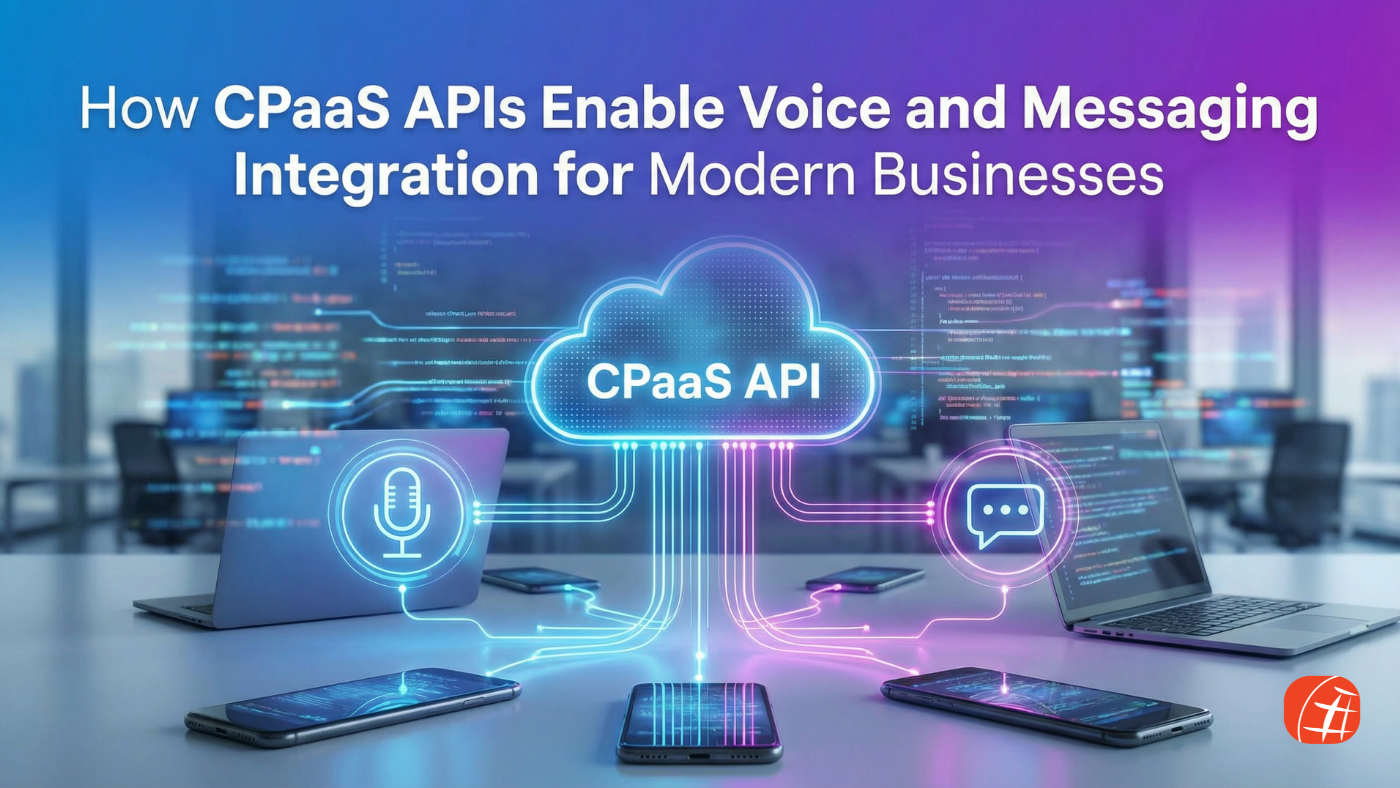
CPaaS (Communications Platform as a Service) is a cloud-based solution that allows businesses to embed communication features—such as voice calling and SMS—directly into their systems using APIs.
In other words, a Communications Platform as a Service API acts as a bridge between your business applications and telecom networks. Because of this, businesses gain flexibility, scalability, and control over their communication processes.
Key Aspects of CPaaS
To fully understand its impact, let’s explore the key aspects of CPaaS that make it essential for modern businesses.
1. API-Driven Communication
At the core of CPaaS lies its API-first approach. With these APIs, businesses can:
- Initiate voice calls
- Send and receive SMS messages
- Automate workflows
Moreover, this approach allows seamless integration into CRMs, mobile apps, and web platforms.
2. Cloud-Based Infrastructure
Unlike traditional systems, CPaaS operates entirely in the cloud. Therefore, businesses can avoid costly hardware and maintenance.
In addition, cloud infrastructure ensures:
- High scalability
- Global availability
- Reduced operational costs
3. Real-Time Communication
Today’s customers expect instant responses. With CPaaS, businesses can interact in real time through voice and messaging.
For instance, companies can send:
- OTP verifications
- Instant alerts
- Live call support
Consequently, response times improve significantly, leading to better customer satisfaction.
4. Customization and Flexibility
Another major advantage is flexibility. Businesses can design communication workflows tailored to their needs.
For example, you can:
- Create custom call flows
- Set up intelligent routing
- Personalize customer interactions
Because of this, CPaaS adapts to your business—not the other way around.
5. Global Reach with Local Presence
Expanding globally becomes much easier with CPaaS. By using DID numbers and SIP trunking, businesses can establish a local presence worldwide.
As a result, customers feel more comfortable engaging with your brand.
How CPaaS APIs Enable Voice Integration
Voice communication continues to play a vital role in business operations. Fortunately, CPaaS communication APIs make integration simple and efficient.
🔹 Click-to-Call Functionality
For example, businesses can add a “Call Now” button to their website or app. This allows customers to connect instantly without dialing manually.
🔹 Intelligent Call Routing
Additionally, calls can be routed based on:
- Location
- Time
- Agent availability
This ensures that every call reaches the right destination.
🔹 Call Tracking and Analytics
Not only can businesses handle calls, but they can also track performance. For instance, you can monitor:
- Call sources
- Campaign effectiveness
- Customer behavior
Therefore, marketing decisions become more data-driven.
🔹 Automated Voice Systems
Furthermore, automation simplifies communication. Businesses can implement:
- IVR systems
- Call forwarding
- Voicemail
All of this can be achieved without complex setups.
How CPaaS APIs Enable Messaging Integration
While voice remains important, messaging has become equally powerful. With CPaaS communication APIs, integrating SMS into workflows is straightforward.
🔹 SMS Notifications and Alerts
For instance, businesses can send:
- Order confirmations
- Appointment reminders
- Delivery updates
As a result, customers stay informed at every stage.
🔹 Two-Factor Authentication (2FA)
Security is another key benefit. By implementing OTP-based systems, businesses can protect user accounts effectively.
🔹 Marketing Campaigns
In addition, SMS marketing offers high engagement rates. Businesses can:
- Promote offers
- Share updates
- Drive conversions
🔹 Customer Support via SMS
Meanwhile, SMS support enables quick issue resolution. Consequently, customer satisfaction improves significantly.
Real-World Use Cases of CPaaS
Across industries, CPaaS is transforming communication strategies.
🛒 E-commerce
For example:
- Order confirmations via SMS
- Click-to-call customer support
- Delivery notifications
🏥 Healthcare
Similarly:
- Appointment reminders
- Patient follow-ups
- Emergency alerts
🏢 SaaS Platforms
In the SaaS space:
- In-app calling features
- User verification systems
- Automated onboarding messages
📊 Marketing Teams
Meanwhile:
- Call tracking for campaigns
- Lead attribution
- SMS promotions
Why Businesses Are Switching to CPaaS
There are several reasons why companies are rapidly adopting CPaaS.
✅ Faster Deployment
Since no infrastructure is required, businesses can integrate APIs and go live quickly.
✅ Cost Efficiency
Moreover, pay-as-you-go pricing reduces unnecessary expenses.
✅ Scalability
As your business grows, CPaaS scales effortlessly with demand.
✅ Enhanced Customer Experience
Because communication is seamless, customer satisfaction improves.
✅ Developer-Friendly
Finally, easy-to-use APIs simplify integration for development teams.
How DIDforSale Powers CPaaS Communication
DIDforSale provides the essential tools needed to implement CPaaS communication APIs effectively.
With DIDforSale, businesses can:
🔹 Enable Voice API Integration
Easily add calling features and manage call flows.
🔹 Utilize SMS APIs
Send and receive messages globally with automation.
🔹 Manage DID Numbers
Access local and toll-free numbers for global expansion.
🔹 Leverage SIP Trunking
Ensure reliable and scalable voice connectivity.
🔹 Track Call Performance
Optimize campaigns with detailed analytics.
As a result, businesses can build a fully customized communication platform tailored to their needs.
Future of CPaaS in Business Communication
Looking ahead, the future of CPaaS is incredibly promising. With advancements in technology, businesses are moving toward smarter communication systems.
For example, emerging trends include:
- AI-powered call handling
- Smart routing systems
- Real-time analytics
- Omnichannel communication
Therefore, companies that adopt CPaaS early will gain a significant competitive advantage.
Conclusion
Ultimately, CPaaS is transforming business communication. By using Communications Platform as a Service APIs, companies can integrate voice and messaging seamlessly into their operations.
Not only does this improve efficiency, but it also enhances customer engagement and reduces costs. In addition, the flexibility and scalability of CPaaS make it a future-proof solution.
🚀 Ready to Upgrade Your Communication?
Now is the perfect time to adopt CPaaS and modernize your communication strategy.
With DIDforSale, you can integrate voice and messaging APIs effortlessly and build a smarter, more connected business.
https://portal.didforsale.com/register